In today's fast-paced world, staying connected is essential, and portable chargers have become a lifesaver for many. One of the biggest benefits of using portable chargers is the convenience they offer. Imagine being on a long trip or out with friends, and suddenly your phone’s battery is nearly drained. With a portable charger in your bag, you can quickly recharge your device without needing to find a power outlet. This means less worry and more freedom to enjoy your time.
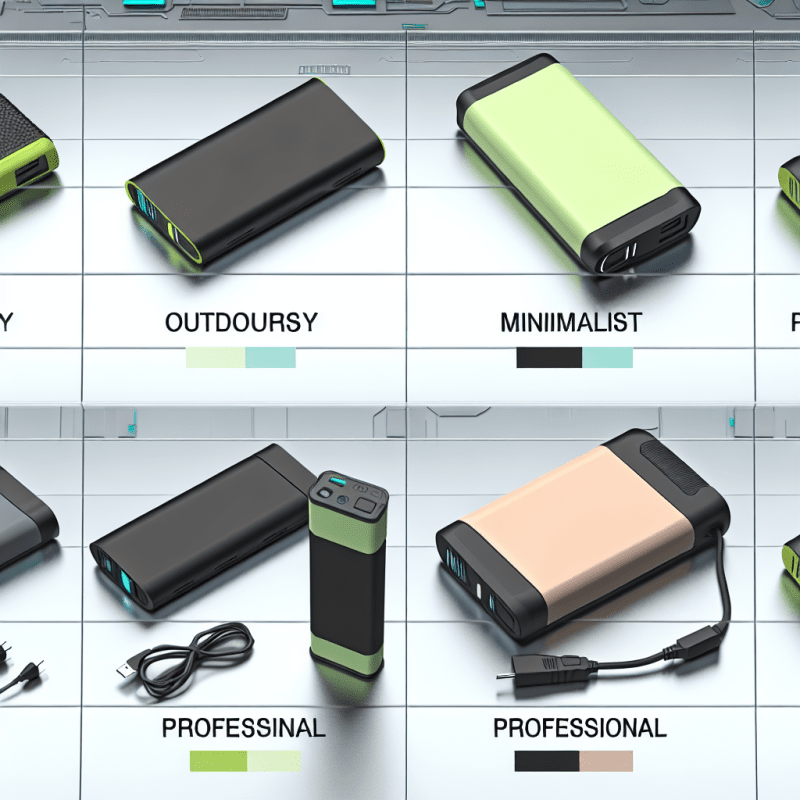
Another significant advantage is the versatility of portable chargers. They come in various sizes and styles, catering to different needs and preferences. Whether you prefer a compact power bank that easily fits in your pocket or a high-capacity charger that can charge multiple devices at once, there’s a portable charger for everyone. This adaptability allows users to select the perfect charger based on their lifestyle and usage patterns.
Moreover, portable chargers enhance your productivity. If you rely on your devices for work or other important tasks, running out of battery can be a major setback. With a portable charger, you can ensure that your laptop, tablet, or smartphone stays charged throughout the day, allowing you to focus on what truly matters. You can attend meetings, catch up on emails, or even finish a presentation on the go, all while keeping your devices powered up.
Lastly, portable chargers provide peace of mind in emergencies. Whether you’re traveling, camping, or simply enjoying a day out, having a backup power source means you’ll always be prepared. You can easily reach out for help or navigate your way home without the stress of a dying battery. This sense of security and reliability makes portable chargers an indispensable accessory in our digital age.
Choosing the Right Portable Charger
When selecting a portable charger, the first thing to consider is capacity. Measured in milliamp hours (mAh), this number reflects how much energy the charger can hold. For example, a charger with a capacity of 10,000 mAh can fully charge most smartphones about two to three times. If you frequently find yourself on the go and need to power multiple devices, aiming for a higher capacity—like 20,000 mAh or more—might be the best option for you.
Another important aspect is the number of output ports. If you often travel with friends or family, look for a portable charger that can charge multiple devices simultaneously. Some chargers come with two or more USB ports, making it easy to share the power when someone else's device is running low. Additionally, having multiple ports ensures that you can keep your phone and tablet charged at the same time without hassle.
Size and weight are also critical factors. While high-capacity chargers provide great power, they can be bulky and heavy. If you prefer to travel light, consider opting for a compact charger that balances portability with capacity. Many brands offer slim designs that fit easily into your bag or even your pocket, ensuring you can carry them wherever your adventures take you.
Finally, take into account the charging speed. Some portable chargers are equipped with fast-charging technology that can significantly reduce the time it takes to power up your devices. Look for chargers that support Quick Charge or Power Delivery features, especially if you own devices that can take advantage of these technologies. This can make a world of difference when you are in a rush and need to quickly charge up before heading out.
How to Use Portable Chargers
Using portable chargers is a straightforward process that can significantly enhance your mobile experience. To get started, first ensure that your portable charger is fully charged. Most chargers come with a USB cable that you can use to connect them to a power source. Plug one end of the cable into the charger and the other end into a wall adapter or USB port on your computer. Wait for the indicator lights to show that it's fully charged, which usually takes a few hours.
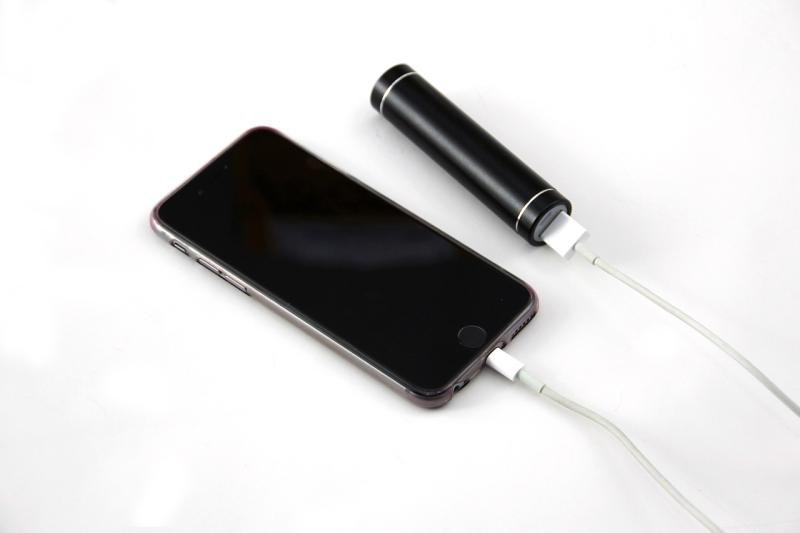
Once your portable charger is ready, it's time to charge your devices. Connect your smartphone or tablet to the charger using the appropriate cable. Depending on the model, you may find different output ports on the charger, such as USB-A or USB-C. Make sure to plug the cable into the correct port to ensure fast and efficient charging. Most portable chargers will automatically detect when a device is connected and will start delivering power right away.
Keep an eye on the charge level of your portable charger. Many models come with built-in LED indicators to show how much power is left. This feature is especially useful so you can plan ahead and avoid being caught off-guard with a dead charger. If possible, recharge your portable charger whenever you notice it is running low, ensuring that it’s always ready for your next adventure.
Finally, be mindful of the limitations of your portable charger. While these handy devices are great for providing extra power, they don’t replace a wall charger’s speed and efficiency. Charging times can vary based on the output power of the charger and the capacity of your device's battery. Understanding these factors will help you make the most of your portable charging experience, keeping you connected wherever you go.
Caring for Your Portable Charger
Taking care of your portable charger is essential to ensure it lasts a long time and always delivers reliable power when you need it. Start by keeping it clean and free from dust. Use a soft, dry cloth to gently wipe the surface. Avoid using any harsh chemicals or water, as these can damage the internal components.
Battery health is crucial for the longevity of your charger. Try not to let it drain completely before recharging, as this can put unnecessary strain on the battery. Instead, aim to recharge it when it gets down to about 20-30%. Regular use will also help maintain its performance, so don’t let it sit idle for too long.
Temperature can affect battery performance as well, so store your portable charger in a cool, dry place. Extreme temperatures, whether hot or cold, can impact battery life, so be mindful of where you leave it, especially in your car or direct sunlight.
Lastly, use the right cables and follow the manufacturer's guidelines for charging. Using low-quality or incorrect cables can not only slow down the charging process but can also lead to damage over time. Treat your portable charger as an essential tool, and it will continue to serve you well in your adventures!