When it comes to portable chargers, understanding the different types can help you make an informed choice. Each type is designed to meet various needs and situations, making it easier to keep your devices charged on the go. Let’s explore the main types of portable chargers available in the market today.
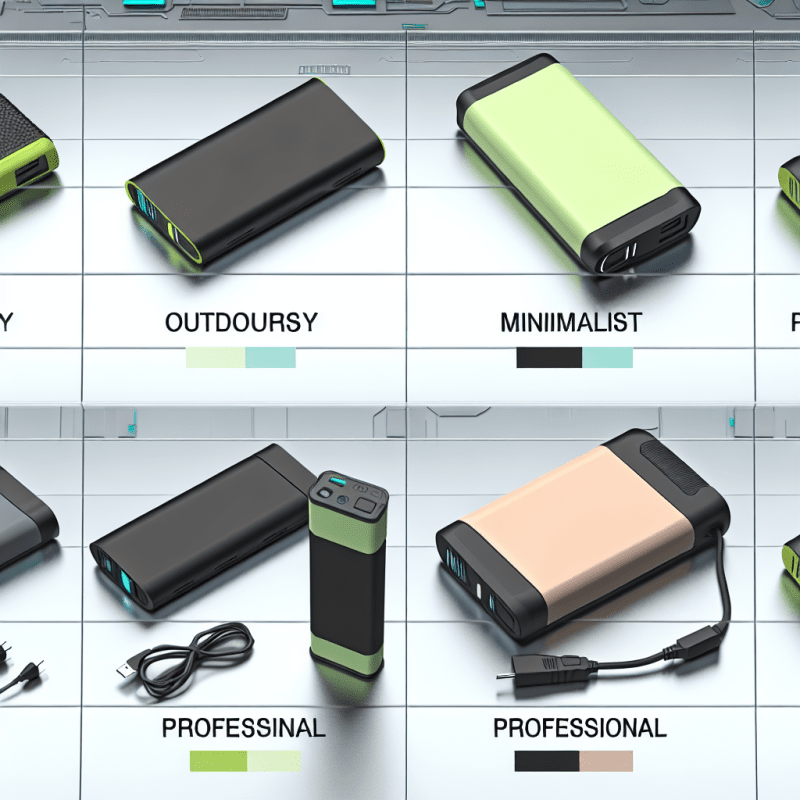
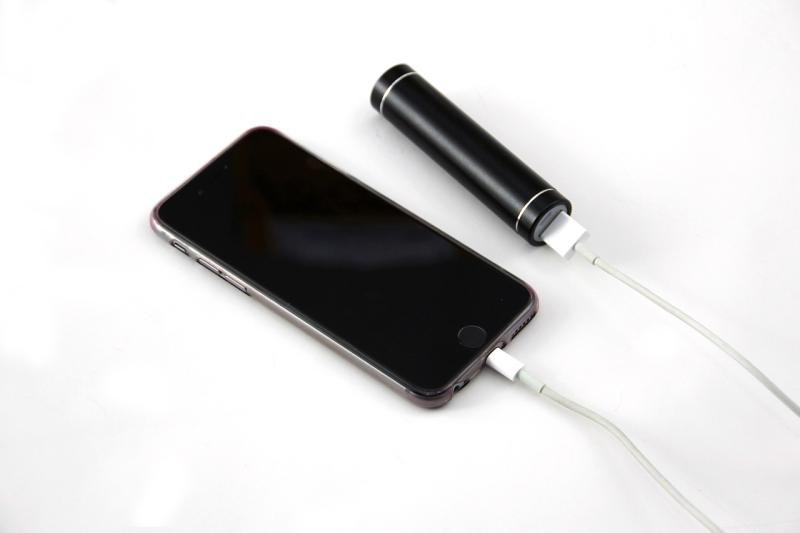
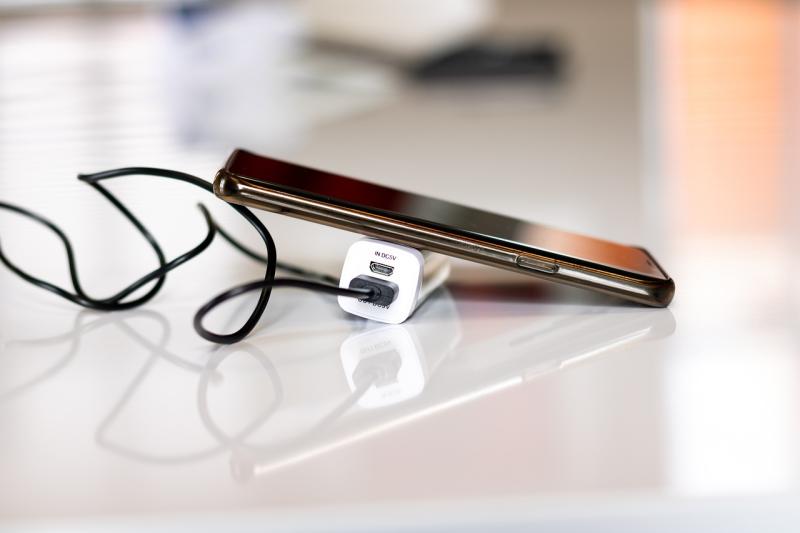
First up, we have the power bank. This is the most common type of portable charger and is ideal for everyday use. Power banks usually come with a range of capacities, measured in milliamp hours (mAh). A power bank with around 10,000mAh can charge most smartphones two to three times. They're portable, easy to use, and often feature multiple USB ports, allowing you to charge more than one device simultaneously.
Next, we have solar chargers. These are perfect for outdoor enthusiasts who spend time camping, hiking, or traveling in remote areas. Solar chargers harness sunlight to recharge their batteries, so you can keep your devices powered even when there’s no electrical outlet in sight. However, keep in mind that their charging efficiency can vary based on weather conditions and the amount of sunlight available.
Another interesting type is the wireless charger. With the growing trend of wireless charging technology, these chargers offer a convenient way to power your devices without the hassle of tangled cables. Just place your smartphone or compatible device on the charging pad, and it starts charging instantly. Wireless chargers can be incredibly handy, especially if you're juggling multiple tasks or if you're in a crowded space.
Lastly, we have car chargers. If you’re often on the road, a car charger can be a lifesaver. These devices plug directly into your car’s power outlet and allow you to charge your devices while driving. Some models even come with multiple USB ports to charge more than one device at a time. They ensure that your phone and other gadgets stay fully charged during long journeys.
Key Features to Consider
When choosing a portable charger, it's essential to look beyond just the appearance and price. One of the first features to consider is the battery capacity, measured in milliamp hours (mAh). A higher mAh rating means more power, which translates to multiple charges for your devices. For instance, a 10,000 mAh power bank can charge most smartphones at least two to three times, making it a great option for long trips.
Another important aspect is the number of output ports available on the charger. If you often travel with family or friends, a portable charger with multiple outputs allows you to charge more than one device at a time. This feature can save you significant time and ensure that everyone stays connected while on the go.
Additionally, consider the charging speed. Many chargers now come equipped with fast charging technology, which can significantly reduce the amount of time it takes to power up your devices. Look for chargers that support Quick Charge or Power Delivery standards to take advantage of faster charging times.
Lastly, the portability of the charger itself is crucial. Some chargers are bulky, while others are slim and lightweight, making them easy to carry in a bag or even your pocket. Think about how you'll be using the charger and choose one that fits seamlessly into your lifestyle.
Pros and Cons of Each Type
Solar Chargers
Solar chargers are eco-friendly and harness the power of the sun to recharge your devices. The primary advantage of solar chargers is their ability to charge anywhere, making them perfect for outdoor adventures like camping or hiking. However, their dependency on sunlight can be a downside; on cloudy days or in shady areas, they may take longer to charge, or may not work at all.
Power Banks
Power banks are portable battery packs that store electrical energy for later use. They come in various sizes and capacities, allowing you to choose one that best meets your needs. Their major advantage is convenience; you can charge multiple devices simultaneously without relying on an outlet. However, they do require pre-charging and can be relatively heavy, especially the high-capacity models, which may not be ideal for travel.
Wall Chargers
Wall chargers are the most traditional form of charging and are excellent for fast and efficient power delivery. They are usually lightweight and compact, making them easy to carry. The downside is that wall chargers cannot be used on the go unless you have access to an electrical outlet. This limits their use in situations like road trips or while traveling abroad.
Vehicle Chargers
Vehicle chargers plug directly into your car’s power outlet, providing a convenient way to charge devices on the road. They are particularly beneficial for long trips, ensuring that your devices stay charged without having to wait until you reach a charging station. However, their reliance on a vehicle means they are not useful when on foot or in locations without car access.
Choosing the Right Charger for You
First, think about the capacity you need. Measured in milliampere-hours (mAh), the capacity indicates how much charge the power bank can hold. For example, a charger with 10,000 mAh can fully charge most smartphones two to three times. If you're on the go all day or traveling for an extended period, choosing a charger with a higher capacity will ensure that you have enough power to keep your devices running.
Next, take into account the charging speed. Look for chargers with fast charging capabilities, as they can significantly reduce the time it takes to power your device back up. Many modern chargers come equipped with technologies like Quick Charge or Power Delivery that deliver higher wattage for quicker recharging. This feature is especially useful if you’re in a hurry and need a quick boost before heading out.
Lastly, consider the size and portability of the charger. If you're often on the move, a lightweight and compact design can make a big difference. There are even credit card-sized chargers that easily fit into your wallet or pocket. But don’t sacrifice capacity for size—there are many options that strike a great balance between portability and power.