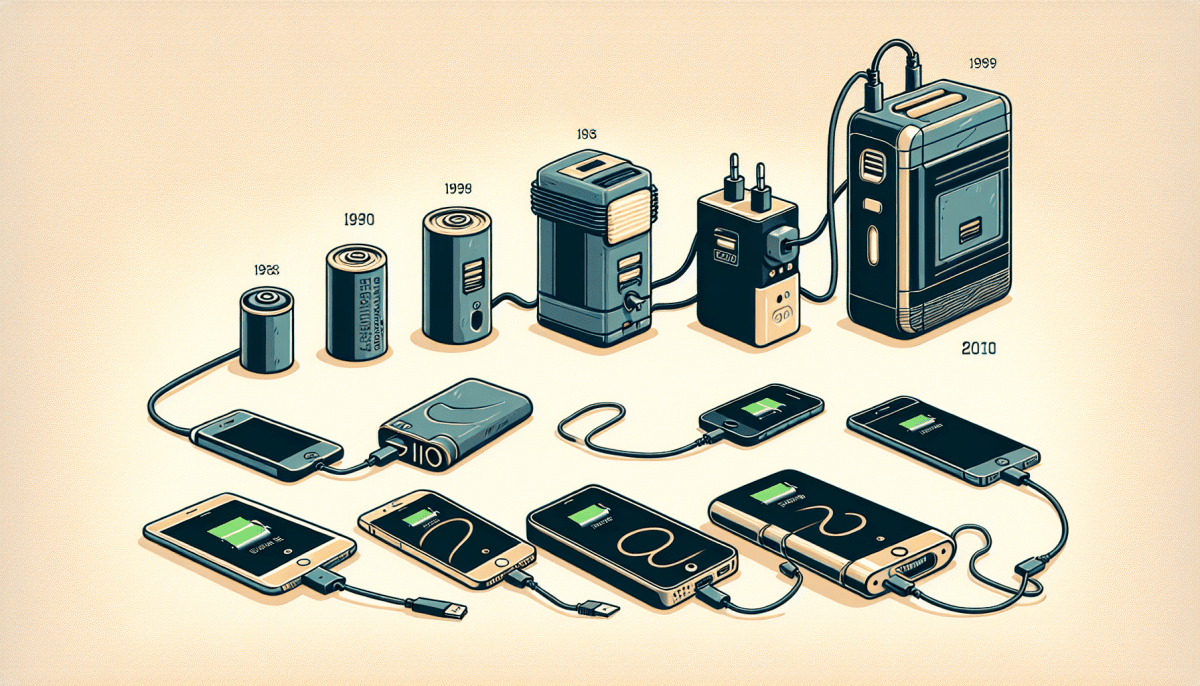
As technology advanced, lithium-ion batteries emerged as a game-changer in the world of portable charging. These batteries were smaller, lighter, and more powerful than their predecessors. By the late 2000s, manufacturers began producing sleek, compact portable chargers that could easily fit in a pocket or bag. With the introduction of faster charging technologies and increased capacity, these devices became essential for anyone on the go.
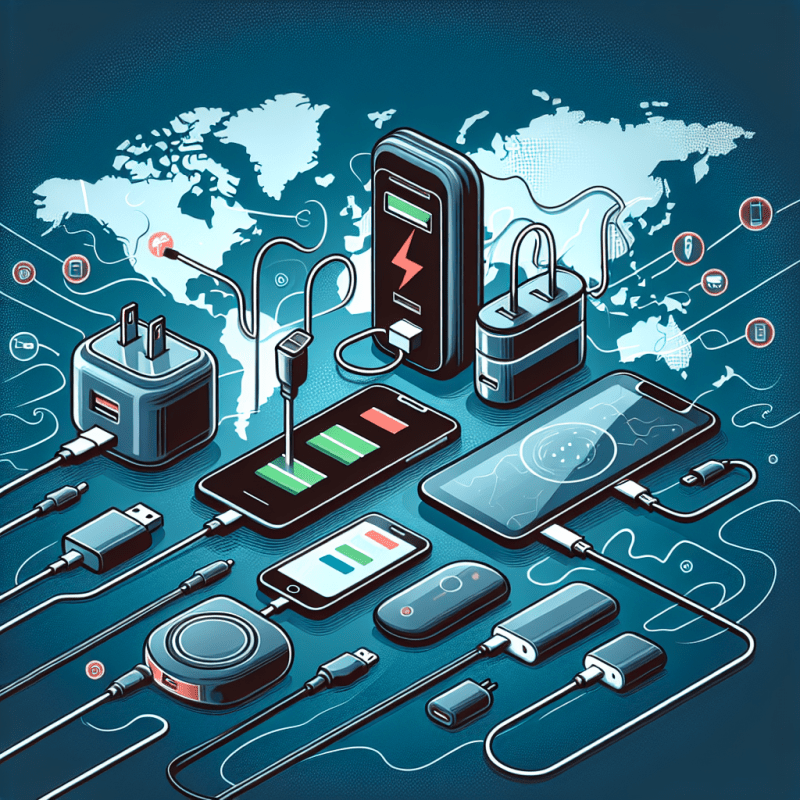
Fast forward to the 2010s, and the market for portable chargers exploded. With the rise of smartphones, tablets, and other portable devices, consumers demanded more versatility and efficiency. Companies responded by creating a wide range of portable chargers with various capacities, features such as solar charging capabilities, and multi-device charging options. The convenience of being able to charge multiple devices at once transformed portable chargers from a luxury into a necessity for many people.
Today, portable chargers not only keep our devices powered but also come with advanced features like wireless technology, built-in cables, and even smart charging capabilities that adapt to the device connected. As our reliance on technology continues to grow, the evolution of portable chargers shows no signs of slowing down, and we can only expect more innovative solutions to emerging charging needs in the future.
How Portable Chargers Work
Portable chargers, often referred to as power banks, are essential gadgets that keep our devices powered up on the go. At their core, these devices store electrical energy, allowing you to charge your smartphone, tablet, or other electronics whenever you need. The underlying technology is pretty straightforward, making them an accessible solution for many users.
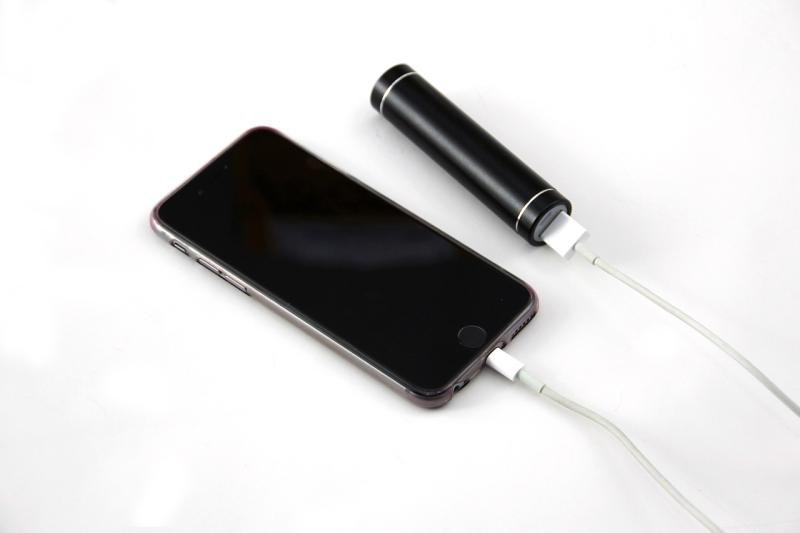
The main component of a portable charger is its lithium-ion or lithium-polymer battery. This rechargeable battery works by moving lithium ions between the positive and negative electrodes during charging and discharging. When you plug your charger into a wall socket, energy flows into the battery, charging it up. Once the battery is charged, you can connect your device, and the stored energy will flow out to power it.
Most portable chargers come with one or more USB ports, allowing you to connect various devices. They typically have a power output measured in volts and amps, which determines how quickly your device can charge. Higher output means faster charging, but it’s essential to ensure your device is compatible with the power bank’s specifications to avoid any damage.
Advanced features in some modern portable chargers include smart charging technology, which can detect the optimal power needs for your device, adjusting the output accordingly. Many also come with additional features like LED indicators to show battery life, built-in cables, and even solar panels for eco-friendly charging. These enhancements reflect how portable chargers have evolved, catering to the ever-growing demands of our digital lifestyles.
Types of Portable Chargers
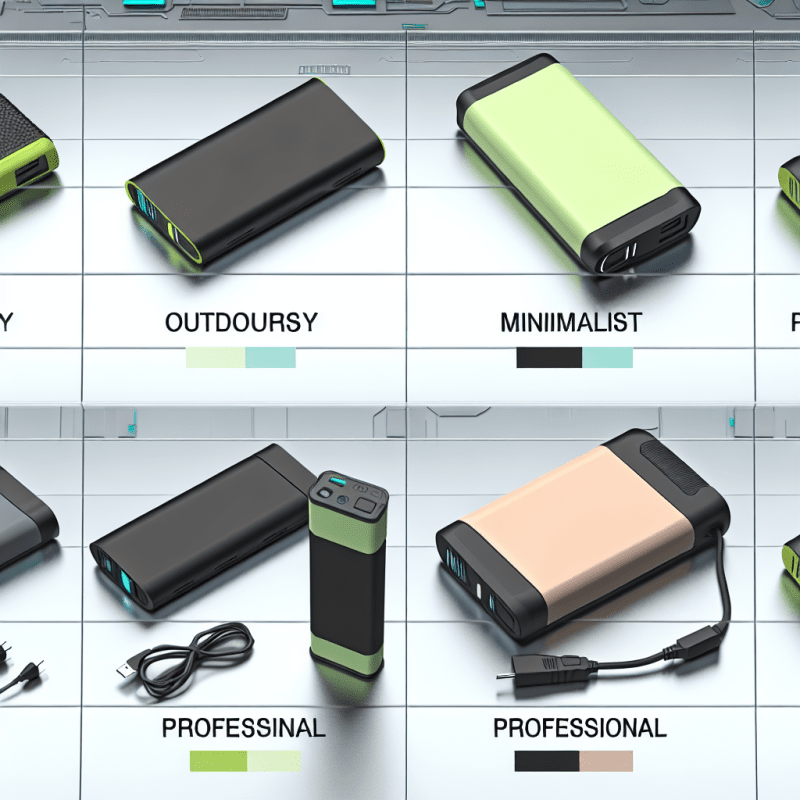
When it comes to portable chargers, variety is the name of the game. There are several types designed to meet different needs and lifestyles. Understanding these types can help you choose the right one for your devices and daily use.
First up, we have the basic power bank. These are the most common type of portable charger and are perfect for charging smartphones and tablets on the go. They come in various capacities, usually measured in milliampere-hours (mAh), which indicates how much power they can store. A typical power bank can hold enough charge to power up a device at least once before it needs to be recharged itself.
Next, we have the solar charger, which is an eco-friendly option that harnesses sunlight to recharge devices. These chargers are fantastic for outdoor enthusiasts who spend time camping or hiking. They can be a bit slower than traditional power banks, but they provide an endless source of energy as long as there’s sunlight available.
Another interesting type is the wireless portable charger. With the rise in popularity of wireless charging, these devices offer the convenience of charging without any cables. As long as your device supports wireless charging, you can simply place it on the pad, and the charging begins. They’re sleek and easy to use, making them a favorite among tech enthusiasts.
Finally, there are specialized chargers, such as those designed for specific devices like gaming consoles or laptops. These chargers often come with additional features, like fast charging technology or various ports for different device types. They’re perfect for users who need to power up multiple devices at once or require more substantial power for higher-capacity gadgets.
Future Trends in Charging Technology
As technology continues to advance, the future of charging technology is looking brighter than ever. One of the most exciting trends is the rise of ultra-fast charging. Devices that can charge to 80% in just 15 minutes are becoming more common. These innovations are driven by better battery chemistry and improved power delivery systems. Imagine having a portable charger that can quickly top up your devices while you're on the go, allowing you to spend more time using your gadgets and less time tethered to a wall outlet.
Another emerging trend is the development of solar-powered chargers. With renewable energy sources gaining attention, solar chargers provide an eco-friendly way to power up your devices. They’re especially appealing for outdoor enthusiasts or travelers who may not always have access to traditional power outlets. As solar panel technology improves, these chargers will become more efficient, lightweight, and portable, making them a perfect addition to anyone's travel gear.
Wireless charging is also set to evolve significantly in the coming years. Today, many smartphones offer wireless charging capabilities, but the future may bring more advanced solutions, such as charging pads that can power multiple devices simultaneously at a distance. This means you could place your phone, smartwatch, and wireless earbuds on the same surface and let them charge without any cables.
Lastly, the integration of smart technology in charging devices is on the rise. Imagine portable chargers that can communicate with your devices to optimize power distribution or those that come with apps to monitor battery health and charging speeds. This connectivity will not only enhance user experience but also help maximize the lifespan of your devices' batteries, ensuring you get the most out of every charge.