When it comes to picking the perfect portable charger, understanding your device's power needs is the first step. Every device, whether it’s a smartphone, tablet, or laptop, has its own battery specifications that determine how much power it requires to function optimally. By knowing these details, you can select a charger that ensures your devices stay charged and ready, without running into any surprises.
To begin, check your device's battery capacity, which is usually measured in milliampere-hours (mAh). For instance, a typical smartphone might have a battery capacity of 3000 to 4000 mAh, while a tablet could require 6000 to 8000 mAh or more. Portable chargers come in various capacities, so matching your device's needs with the charger's output is key. A charger with a rating equal to or higher than your device's battery will typically provide a full recharge.
Another important aspect to consider is the output voltage and current of the charger. Most smartphones function well with a 5V output, but some modern devices support fast charging with higher voltages. Make sure to select a portable charger that can deliver the appropriate voltage and current for your device. Chargers that support technologies like Qualcomm Quick Charge or USB Power Delivery can significantly reduce charging time.
Lastly, think about how often you'll use your portable charger. If you're frequently on the go, investing in a charger with a higher capacity might be worthwhile, as it will allow you to charge your devices multiple times before needing to recharge the charger itself. Assessing your charging habits and power needs will ultimately help you make a more informed decision and keep your devices functioning smoothly.
Compare Battery Capacity Options
When choosing a portable charger, one of the critical factors to consider is battery capacity. This capacity is usually measured in milliampere-hours (mAh), and it indicates how much charge a portable charger can hold. Understanding your options can help you find a charger that fits your needs perfectly.
Portable chargers typically come in a range of battery capacities. For light users, a charger with a capacity of 5,000 to 10,000 mAh might be sufficient. These chargers can fully charge most smartphones at least once, making them ideal for day trips or short outings. They are compact and lightweight, which makes them easy to carry around without adding extra weight to your bag.
If you find yourself frequently on the go or using multiple devices, consider a charger with a higher capacity of 15,000 to 25,000 mAh. These larger chargers can provide multiple charges to your smartphone or even charge a tablet once or twice. While they may be slightly bulkier, their ability to power your devices multiple times can be a lifesaver during long travels or busy days out.
For heavy users or those who rely on multiple devices, opting for a portable charger with 30,000 mAh or more can be beneficial. These high-capacity chargers are capable of powering several devices simultaneously or providing several charges to larger gadgets. They tend to be larger and heavier, but the trade-off in charging power can be worth it for those who need that extra boost.
Ultimately, the right battery capacity for you depends on your usage patterns and lifestyle. By understanding the differences in capacity, you can make a more informed decision and ensure that your portable charger meets your needs, whether you’re going out for a few hours or embarking on a long journey.
Evaluate Size and Portability
When selecting a portable charger, one of the first things to consider is its size. Portable chargers come in various shapes and sizes, and finding the right fit for your lifestyle is essential. A compact charger can easily slip into your pocket or bag, making it perfect for daily commutes or short trips. However, smaller isn't always better; some compact models might not hold enough power to charge your devices effectively.
Next, think about the weight of the charger. Lightweight options are ideal for travelers who want to keep their load minimal. If you’re planning a hiking trip or a day at the beach, a lightweight portable charger will not be a burden. On the flip side, heavier chargers tend to have larger battery capacities, meaning they can charge your devices multiple times without needing a recharge themselves. It’s all about finding a balance that works for your needs.
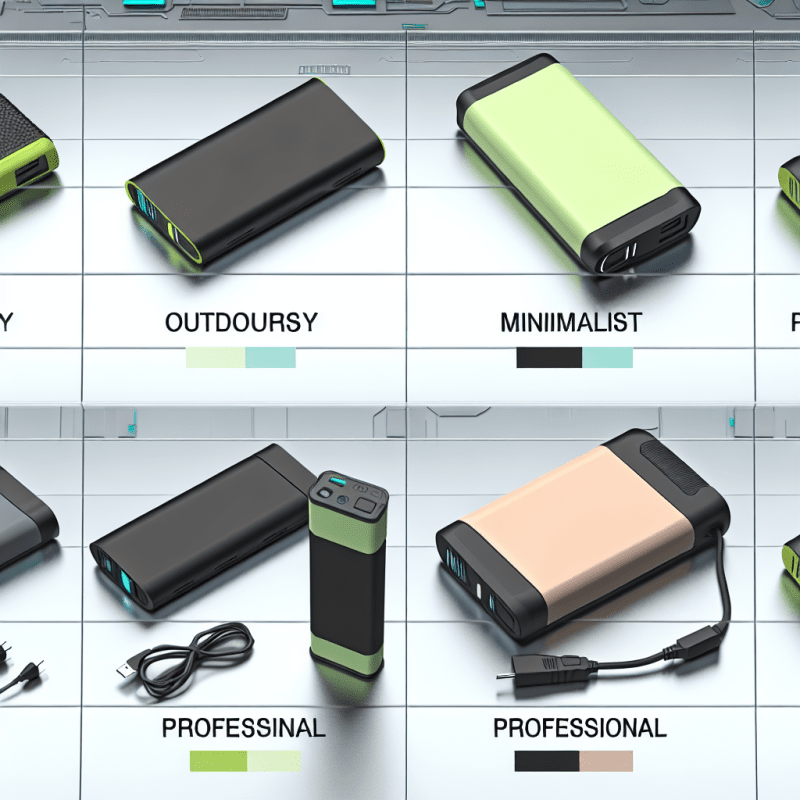
Also, consider the design and form factor. Some chargers are slim and sleek, while others have a more rugged design, which may be better suited for outdoor adventures. A rugged charger can withstand drops and exposure to the elements, providing peace of mind while you're on the go. In contrast, a stylish, sleek charger may be ideal for professional settings or when you want to maintain a sophisticated look.
Finally, think about how you plan to use your portable charger. If you frequently find yourself away from power outlets for long periods, investing in a larger, more powerful model may be worthwhile. However, if you typically need just a little boost to get through the day, a pocket-sized option should suffice. Evaluate your lifestyle and choose a charger that fits seamlessly into your routine.
Check Charging Speed and Ports
When selecting a portable charger, one of the most critical factors to consider is the charging speed. Different chargers come with varying output capacities, typically measured in watts (W). A higher wattage means a faster charging experience for your devices. For instance, if you have a smartphone that supports fast charging, look for a portable charger that offers at least 18W or more. This ensures that you can quickly power up your phone while on the go, without wasting too much time waiting around.
In addition to charging speed, it's essential to check the types of ports available on the charger. Some chargers come with multiple USB-A and USB-C ports, while others may feature a mix of both. If you own several devices, it’s advisable to choose a charger that supports multiple ports so you can charge everything at once. Always ensure that the ports are compatible with your devices' charging cables. This helps you avoid the frustration of needing an adapter or realizing you can't plug in your device when it's low on battery.
Lastly, consider the power delivery protocols supported by the portable charger. Many modern devices use protocols like Power Delivery (PD) or Quick Charge. Having a charger that supports these technologies can significantly enhance the charging speed and efficiency. It’s worth checking the specifications to see if the charger aligns with your devices' requirements. Investing a little time in understanding charging speeds and port types can make a big difference in your overall experience with a portable charger.